





WASP and Olfattiva Open Shamballa, a 3D-Printed Farm and Research Site in Italy
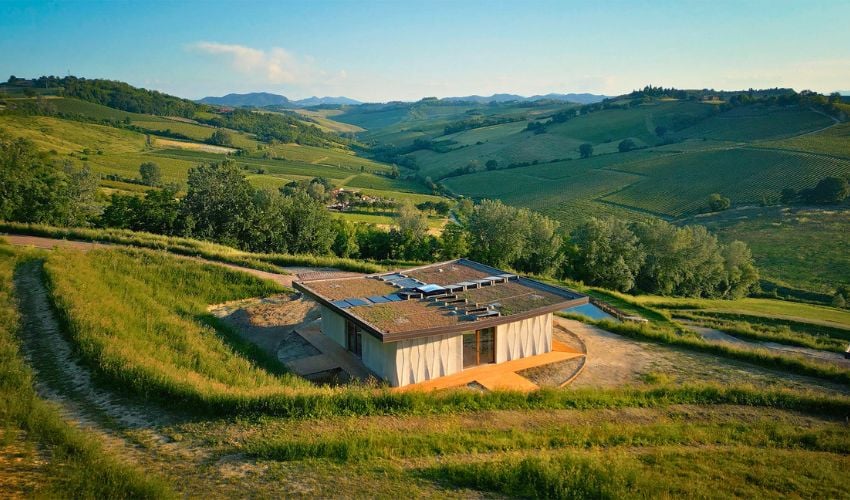
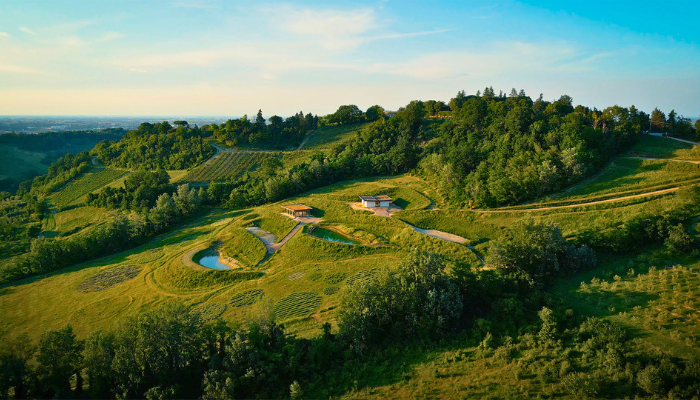
On 8 June 2026, in the hills of Emilia-Romagna, WASP and Olfattiva unveiled Shamballa, an open-air laboratory where 3D-printed architecture, medicinal agriculture, and environmental restoration operate together on a single site. It is presented as a working reference for future approaches to sustainable living built around regenerative systems and additive manufacturing.
A 3D-printed farm built to be replicated
At the heart of Shamballa stands Itaca, a self-sufficient farm produced by WASP 3D Build, WASP’s construction-focused startup. The Crane WASP printer uses four robotic arms anchored to a hexagonal frame. Working simultaneously, the arms can complete a structural shell in a couple of days.
The walls were printed using a mixture of pure natural hydraulic lime (NHL) and Geolegante, a mineral binder. WASP selected the material for two reasons: lower carbon emissions than traditional cement, and durability. Its high breathability also helps regulate temperature and prevent mold. The walls measure 60–70 cm thick and are filled with rice husk from agri-food waste, creating internal insulation. WASP states the combination achieves a net-negative CO₂ balance overall.
Itaca also meets the same standards as traditional buildings, including compliance with Italian seismic regulations. Italy’s seismic codes are among the most stringent in the world, so achieving certification under these conditions strengthens the model’s case for replication elsewhere.
Beyond the Construction
Shamballa is intended to function as an active research site. The outdoor areas will host laboratories and R&D facilities for international researchers working in architectural 3D printing and bio-construction. There, researchers will also test complementary systems such as automated gardens, rainwater harvesting infrastructure, and micro-circular economy models designed to reduce resource consumption and waste.
The Olfattiva Botanical Garden: Eight Hectares of Living Research
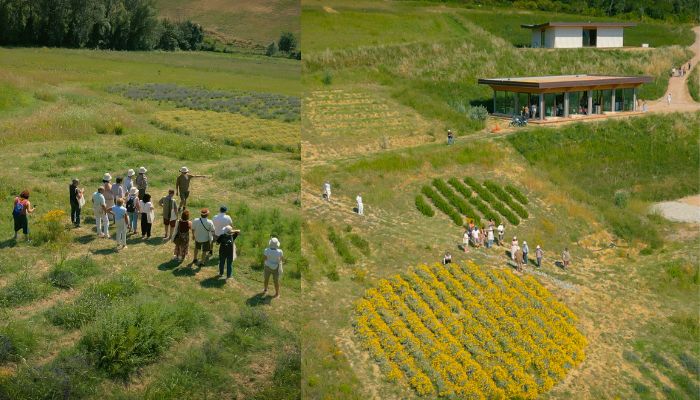
Alongside WASP, Olfattiva runs the other half of Shamballa. It’s an eight-hectare medicinal botanical garden built through reforestation and agroforestry. The garden now hosts more than 500 fruit trees from ancient local varieties and around 50,000 aromatic and medicinal plants. Olfattiva, which has spent two decades making aromatherapy and botanical perfumery products, approaches the site with a focus on biodiversity restoration. The garden will also serve as a community resource, open to local visitors through sensory workshops and educational programs focused on plants, fragrance and sustainability.
Would you visit Shamballa? Let us know in a comment below or on our LinkedIn and Facebook pages! For more on 3D printing medical applications, click here. Don’t forget to sign up for our free weekly Newsletter here, the latest 3D printing news straight to your inbox! You can also find all our videos on our YouTube channel.
*All photo credits: WASP







If the seismic certification and performance claims hold up in real-world conditions, this could become a strong reference model for future eco-friendly housing projects.
Shamballa looks like a real step forward for sustainable construction. Combining 3D-printed architecture with regenerative farming is a powerful concept if it scales beyond a pilot site.