
Protopasta: Making 3D Printing Filament In-House Since 2013
Long before co-founding Protopasta, Alexander Dick first encountered 3D printing in the early 1990s, when a neighbor brought home 3D prints from Ford. Years later, after earning a mechanical engineering degree, he landed a job operating what he describes as the first EOS plastic laser sintering system in the USA, and he has been working in 3D printing ever since.
In early 2014, he joined brothers Dustin and Aaron Cram at Protopasta, shortly after their Kickstarter launch. Today, the Vancouver, Washington-based brand develops its materials and builds its own extrusion equipment under one roof. We spoke with Alex about the value of in-house production, creating unique colors with the maker community, and why materials can still be a bottleneck now that desktop 3D printers are more capable and affordable than ever.
3DN: Could you briefly introduce yourself and explain how you got into 3D printing?
Hi, I’m Alexander (Alex) Dick, co-founder of Protopasta. My first exposure to 3D printing was in the early 1990s, when my neighbor brought home 3D prints from Ford. I didn’t yet understand 3D printing, but it was a unique experience when the technology and I were both young!

Later, I studied mechanical engineering, where we discussed 3D printing for only one day in one class. Can you believe it? 3D printing was still rare in the early 2000s! After graduating, I got a job operating the first EOS plastic laser sintering 3D printer in the USA. It was total luck, but I’ve been 3D printing ever since!
3DN: How did you come to co-found Protopasta, and what is its main objective?
While still working with lasers to sinter plastic powder in the early 2010s, I saw that access to filament 3D printers was increasing. Seeing this technology in the hands of more people was an exciting prospect! In late 2013, my friend Dustin Cram and his brother Aaron launched Protopasta on Kickstarter. Crowdfunded 3D printers were becoming popular, but they needed good filament. Our goal was to create new, interesting, high-quality filaments. I joined in early 2014 to contribute my experience with 3D printing processes, materials and support.
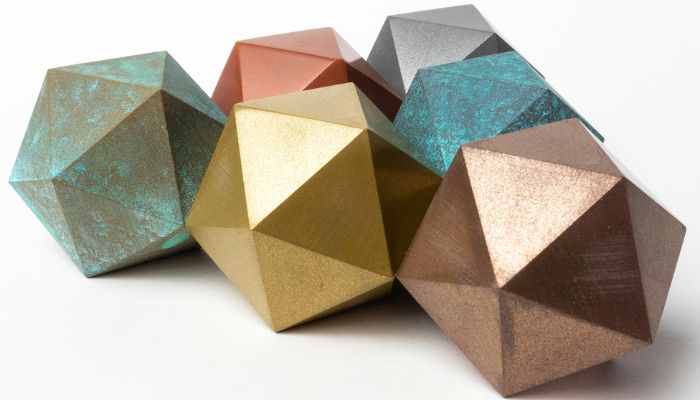
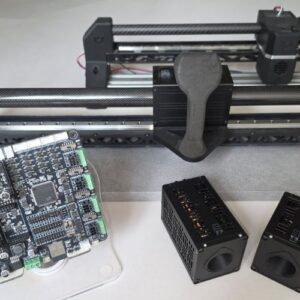
3DN: Protopasta designs and builds its own extrusion machinery. Why was producing in-house so important to you?
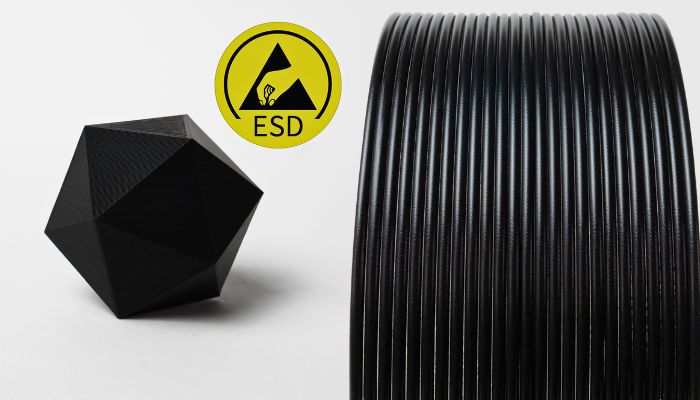
3DN: How do you approach developing a new material, and what role does your community play?
Material development can be extremely varied, but having all the equipment in-house is a crucial enabler. It allows for hands-on experimentation with inputs and outputs, which is useful whether we’re pursuing functional or aesthetic goals. In the 2010s, printers weren’t that capable yet, so we focused heavily on aesthetics. This was especially fun because I created many custom colors with the community by including them in the process. It started with Joel Telling, the 3D Printing Nerd, and Highfive Blue, and grew to include other creators for many special colors and experiences.
3DN: How do you see the additive manufacturing market evolving?
In the 2020s, the capability of 3D printers is really improving. It’s easier and more affordable than ever to buy a fleet of machines, but materials can still be a bottleneck. Many low-cost, high-volume producers frequently sell out or provide inconsistent, multi-sourced chemistries. How do you build a stable business on that? The filament market seems very low-cost and consumer-centric at the moment, but we’re here for the folks who need or value a higher level of quality, reliability, and creativity.
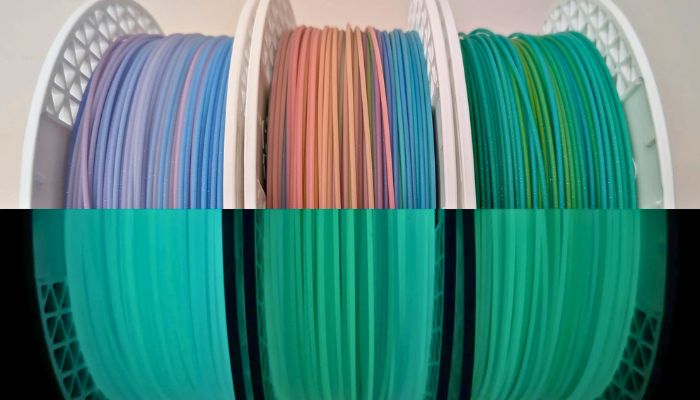
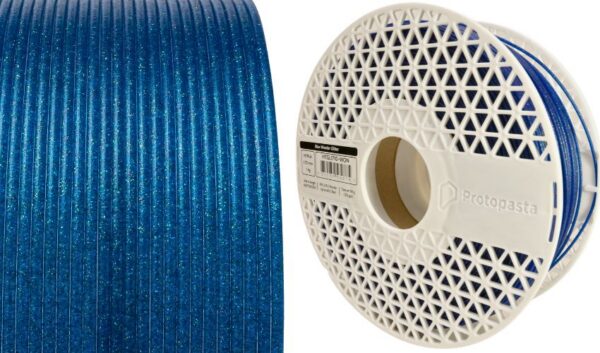
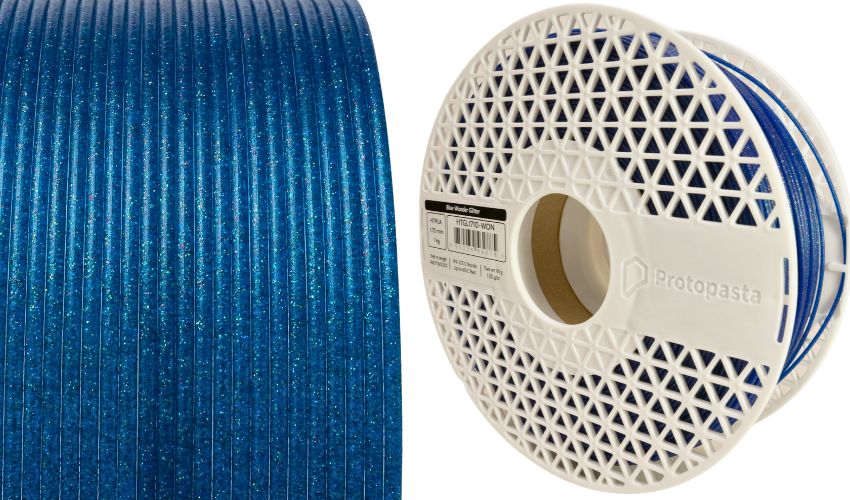
Three of Protopasta’s glow-in-the-dark multicolor HTPLA filaments.
3DN: What have been your most exciting projects so far, and what are you working on now?
It’s hard to top the pure fun of making colors together with community members, but there’s also a deep satisfaction in providing materials that support other businesses. A wonderful example is Luke Goodman, who joined a custom filament color workshop to create brand-inspired colors for his company, Out of Darts. He struggled with inconsistent quality and availability from multiple filament vendors, so he switched to Protopasta. We’ve also developed various custom formulations for multiple B2B customers to solve both functional and aesthetic needs. Meeting a unique need that no one else can or will is immensely satisfying.
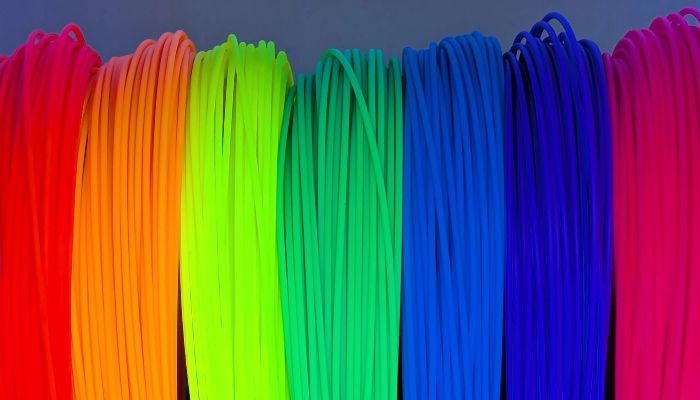
3DN: Any last words for our readers?
From the 1990s to now, 3D printing has really grown. I’m excited to apply what we’ve learned over the years to meet unique industry needs for years to come. Give us a chance to meet your off-the-shelf or custom needs by visiting Protopasta.com. We won’t disappoint! Take care, and thanks for choosing Protopasta filaments!
To learn more about Protopasta and its filaments, visit the company’s website.
What do you think of Protopasta’s approach to filament production? Let us know in the comments below or on our LinkedIn and Facebook pages. Plus, sign up for our free weekly Newsletter to get the latest 3D printing news straight to your inbox. You can also find all our videos on our YouTube channel.
*All Photo Credits: Protopasta