

The Job Roles Emerging With Additive Manufacturing
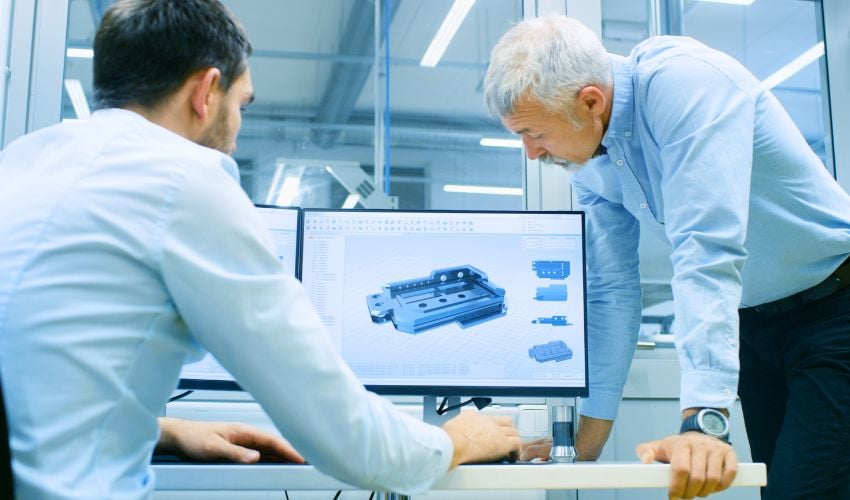
Not long ago, one engineer could take an additive manufacturing project from design file to finished part. That’s changed. As the technology has scaled, so has the number of people it takes to run it and the range of skills required at each step. Some of these roles were rarely defined as separate positions a decade ago. Others have evolved so much they have little in common with their traditional counterparts.
Looking at these positions offers another way to understand how the industry itself is maturing. Below, we explore several key technical roles that have emerged alongside the growth of industrial 3D printing.
Design for Additive Manufacturing Specialist
Designing a part for 3D printing is not the same as designing it for machining or injection molding. This crucial step in the additive manufacturing workflow requires new skills, so much so that it is now commonly referred to as Design for Additive Manufacturing (DfAM). As a result, it calls for specialized profiles. Companies are increasingly looking for candidates who understand the specific design constraints of additive manufacturing. What rules should be followed? What key factors need to be considered when designing a part?
An additive manufacturing designer must therefore be familiar with these principles and understand the specific requirements of each 3D printing process. They must also be able to use the right tools and software to maximize part performance. Topology optimization, build orientation strategies, and component consolidation are just some of the concepts they need to master. This type of profile is now sought after by any company involved in designing parts.
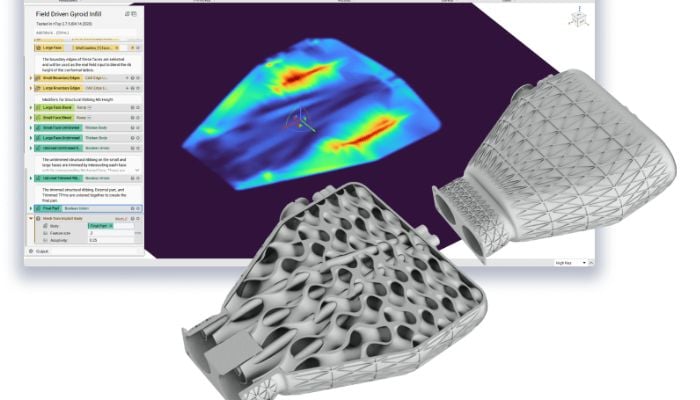
Mastering design tools is one of the skills required for this type of position (Photo Credit: nTop)
AM Applications Engineer
The role of an applications engineer is not entirely new; it exists in many professions. It is a position that serves as a bridge between customers and the development of tailored solutions. In concrete terms, the engineer analyzes customer needs and designs applications that address them. In additive manufacturing, the idea is similar. Applications engineers provide their expertise to sales teams so they can offer solutions that truly make sense.
One unique feature of 3D printing is that applications are at the very heart of the market. It is often said that before choosing a specific process, it is essential to know what you want to print in 3D, why you want to print it and in what quantities. The additive manufacturing applications engineer therefore plays a key role, as they are in direct contact with potential AM users and responsible for evaluating their needs. From there, they can guide customers toward the most appropriate technology, the right material and the best production approach. As a result, this role requires strong listening skills as well as solid technical knowledge of the additive manufacturing market.
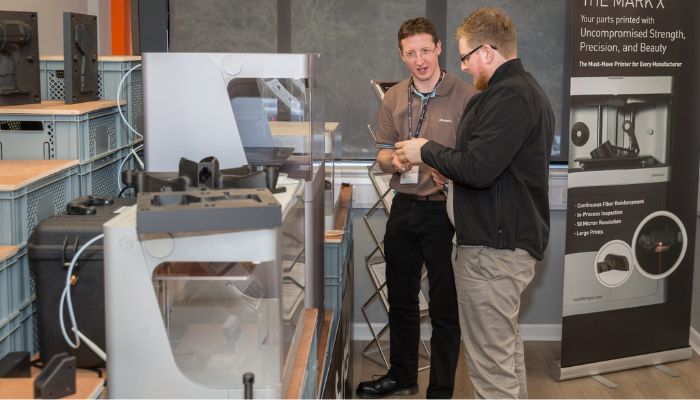
Credits: GoPrint3D
Additive Materials Engineer
Without materials, there is no printing. The additive manufacturing materials engineer is responsible for the raw materials used in the process. Their main role is the research and development of materials that can be effectively processed using various additive manufacturing technologies.
Their work goes far beyond simply understanding metals and plastics. These professionals specialize in high-performance polymers, alloys, technical ceramics and composite materials. Much of their work involves studying how materials respond to intense energy sources such as lasers or electron beams and how solidification influences the material’s microstructure.
As additive manufacturing expands into critical industries, the ability to control and predict material properties becomes increasingly important, as these properties are directly linked to structural integrity and safety.
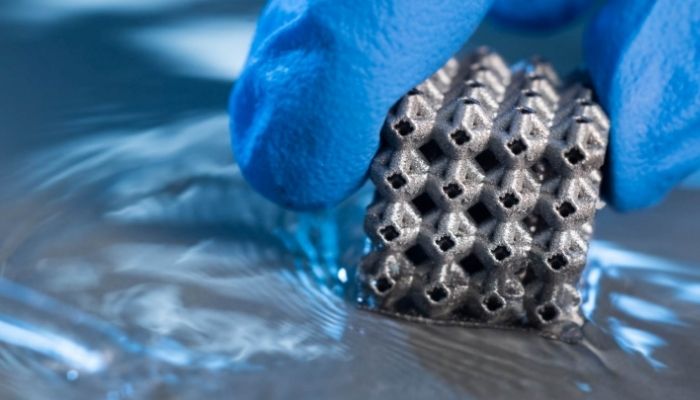
Photo Credit: Monash University
Additive Manufacturing Process Engineer
The additive manufacturing process engineer is responsible for industrialization from a technical standpoint as well as ensuring the stability of digital production. They define the manufacturing strategy by selecting parameters, machine configurations and validation criteria that ensure part quality. Although they work closely with teams across the production facility to oversee overall performance, they collaborate particularly closely with the design and R&D teams. With the design team, they ensure that geometries can be printed efficiently and meet all requirements. With R&D, they act as a bridge to industrialization, transferring new developments into the production environment. Other key responsibilities include developing operating procedures, optimizing manufacturing processes to reduce costs and analyzing production data to identify and prevent manufacturing failures.
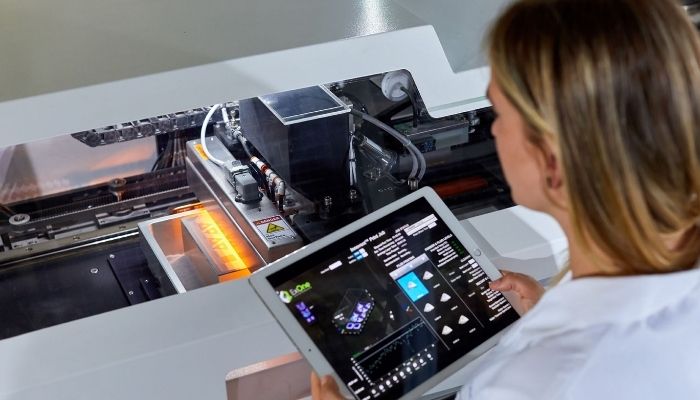
Photo Credit: Tecnalia
3D Printing Machine Operator or Technician
Serial production demands more than a good machine. It requires dedicated expertise to operate it consistently. As the industry scales, demand for skilled machine operators and technicians has grown accordingly. Industrial printers require careful preparation, calibration and monitoring across build cycles that can last many hours or even days. Operators load materials, prepare build platforms, initiate print jobs, supervise machine performance and carry out routine maintenance. Early adopters could rely on engineers to oversee machines; at scale, that is no longer practical. Powder handling, inert gas management and multi-hour build supervision introduce failure points that require specific training and discipline. From service bureaus to aerospace suppliers, dedicated operator roles have become a standard part of the additive production floor.
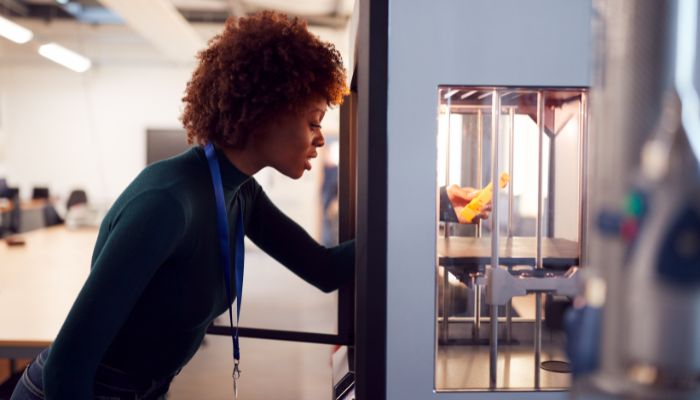
Photo Credit: Unsplash
Post Processing Specialist
These specialists manage the hidden half of the AM workflow. Additive manufacturing rarely produces a finished part directly from the printer, which has led to the emergence of dedicated post processing specialists. These professionals handle support removal, heat treatment and surface finishing to ensure components meet final performance requirements. These specialists are now found across aerospace, medical and energy, anywhere additive manufacturing is being used to produce parts that actually have to perform.
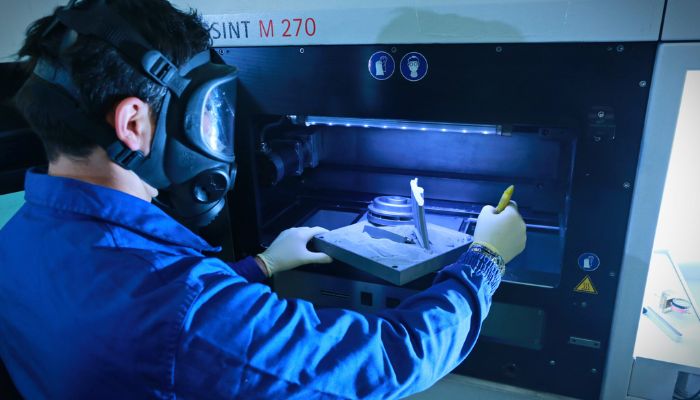
Photo Credit: MikeDotta/Shutterstock
AM Quality and Certification Engineer
One of the keys to adopting AM is actually validating the parts it builds. The AM Quality Engineer is a critical specialist tasked with transforming additive manufacturing from a prototyping tool into a rigorous, industrial-grade production method. By integrating expertise in quality control, statistical analysis, and process design, these engineers ensure that every component is functional and produced with absolute repeatability. They navigate complex ISO and ASTM standards to guarantee that every print meets the safety and performance requirements of highly regulated industries.
A Quality Engineer uses various methods to identify, analyze, and correct quality control procedures to prevent manufacturing variability from affecting product performance. By promoting awareness of regulatory requirements across teams and maintaining a robust quality management system, the Quality Engineer ensures that additive manufacturing remains a reliable and scalable solution. This position typically requires several years of engineering experience, as well as strong knowledge of quality system standards and regulatory compliance.
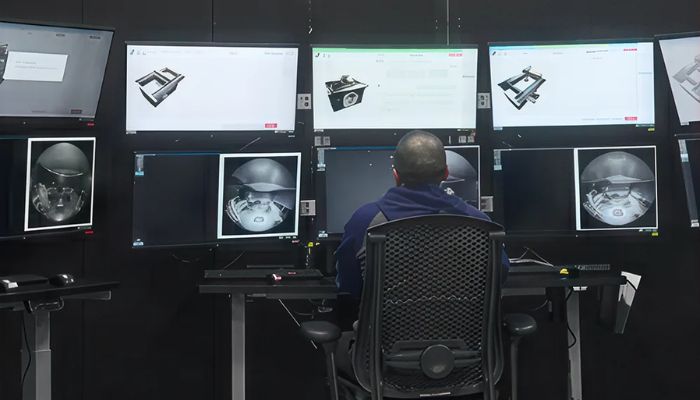
Photo Credit: VulcanForms
Additive Manufacturing R&D Engineer
R&D teams focus on developing new products and refining existing technologies to maintain a company’s competitive edge. When an additive manufacturing engineer is on board, their role can vary significantly depending on company objectives, ranging from developing proprietary new hardware to optimizing existing platforms for specialized materials. Their responsibilities typically include independently planning and conducting process tests to determine precise parameters and optimize build results. This feedback loop is essential for identifying potential improvements and ensuring the technology is ready for full-scale production. These types of roles require hands-on experience, and often, an engineer in this role has specialized expertise that centers on a specific hardware platform or material class.
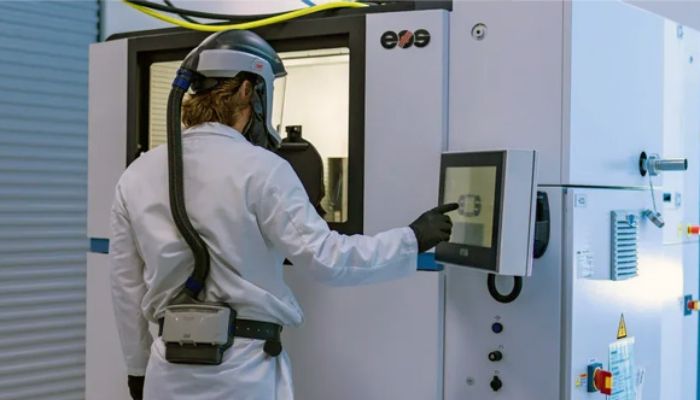
Photo Credit: EOS
Which of these roles do you think will be most critical as additive manufacturing continues to scale? Let us know in a comment below or on our LinkedIn and Facebook pages. Plus, sign up for our free weekly Newsletter to get the latest 3D printing news straight to your inbox. You can also find all our videos on our YouTube channel.
*Cover Photo Credits: MikeDotta/Shutterstock